

A recent development coming out of Sony indicates that the next PlayStation gaming console will be digital-only, and the game plan is to discontinue the production of all physical discs by January 2028. Gaming and movie communities alike went all up in smoke about the news, saying there is a personal connection to owning physical media that is being taken away from them.
Okay, so how does this compare to the recent news that Sony is erasing the purchases of over 500 digital movie titles from StudioCanal all because of an expiration date pertaining to a licensing contract? Again, this is related to PlayStation, but it affects only the users living in the United Kingdom. Surely it can’t happen here in America, but you might as well be wrong.
As if this wasn’t strange enough, the news about this latest purging arrived in tandem with the announcement of ‘Grand Theft Auto 6’, and it came with a diabolical twist: consumers would purchase the box at the suggested retail price without a physical copy. Instead, it’ll have a redeemable code full of letters, numbers and punctuation marks. Would brick-and-mortar retailers like GameStop thrive in a business environment like this? It’s really that easy to buy a code off of a gift card, but buying empty boxes void of any real content is unconvincing to say the least.
In an attempt to conduct damage control from the recent controversy, Sony has (until recently) been saying they’ll continue to mass-produce disc media for gaming titles soon after the 2028 street date, but it applies only for titles released on existing consoles before 2028. Consumer rights and protections are still in a constant struggle with the enemy, however. The best Sony could do is go back to making 1995-era PlayStation games altogether.
I find it difficult to make an investment on a mega-hundred dollar device that would simply download and stream everything in the world, and then let it all vanish and disappear without a trace. According to Sony Interactive spokespeople, they claim it is a ‘natural direction’ of how consumers use media, particularly in video games that ‘drive innovation’. What’s natural about owning digital games, movies, music and books is that it’s natural to lose them without warning. It doesn’t matter where you bought them: PS5, Xbox, Nintendo, ITunes, Amazon, Google Play… every company is subject to the regulations of digital media, alias DRM, or ‘digital rights management’. I learned this the hard way after making a digital archive of my own movie library several years back. A licensing snafu, a bug in the code, a shrewd corporate decision, a company gone belly up… it makes no sense but that’s what happens. No refunds, no recourse.
It has long been said that ownership of digital media is nonexistent. Just ask the owners of Amazon’s Kindle e-reader device who are still suffering from tremendous losses of their downloadable content. Way back in 2012, they were the ones who lost copies of George Orwell’s ‘1984’, setting a new precedent in digital ownership rights. What you’re really buying is a license to play content on a specific device under a timer. Like five years or five weeks from the time you commit to your first point of purchase. And unless you’re catching a weekend sale on $4.99 movies, it can still cost you a premium, likely more than a bare bones DVD or Blu-ray disc.
Sony discontinuing PlayStation discs is simply the irony of everything going upside its head. Do you suppose they will kill off production of 4K Blu-ray Disc players too? Their game plan must be working right now because it phased out recordable Blu-ray discs over a year ago. As for movies under its Sony Pictures wing, it might as well happen at some point unless we speak our minds. Among the companies that are too stubborn to deal with supporting physical is Disney — they actually hired Sony to help distribute its legacy animated product to 4K discs… how nice! I wonder how much longer this alliance is going to stick around, then.
Making the consumer pivot towards a physical-free future by brute force is, IMHO, a seemingly hostile act. There’s the old saying: ‘you will own nothing and be happy’. Well, I won’t be happy about losing my physical media library to the digital gatekeepers who crave control over Average Joe Consumer. Companies must recognize that there are fans with deep and personal connections to the art of content, whether it’s about movies, TV and/or celebrity. Even video games with legions of die-hard fans ranging from Super Mario Brothers to Genshin Impact who enjoy following their complete sagas, have a place on storage shelves. Anyone with common sense should know that what they own is fully original and not tampered with. A physical copy of a movie can retain the original scenes and soundtracks while digital copies of the same title can be subject to alterations as a form of ‘political correctness’.
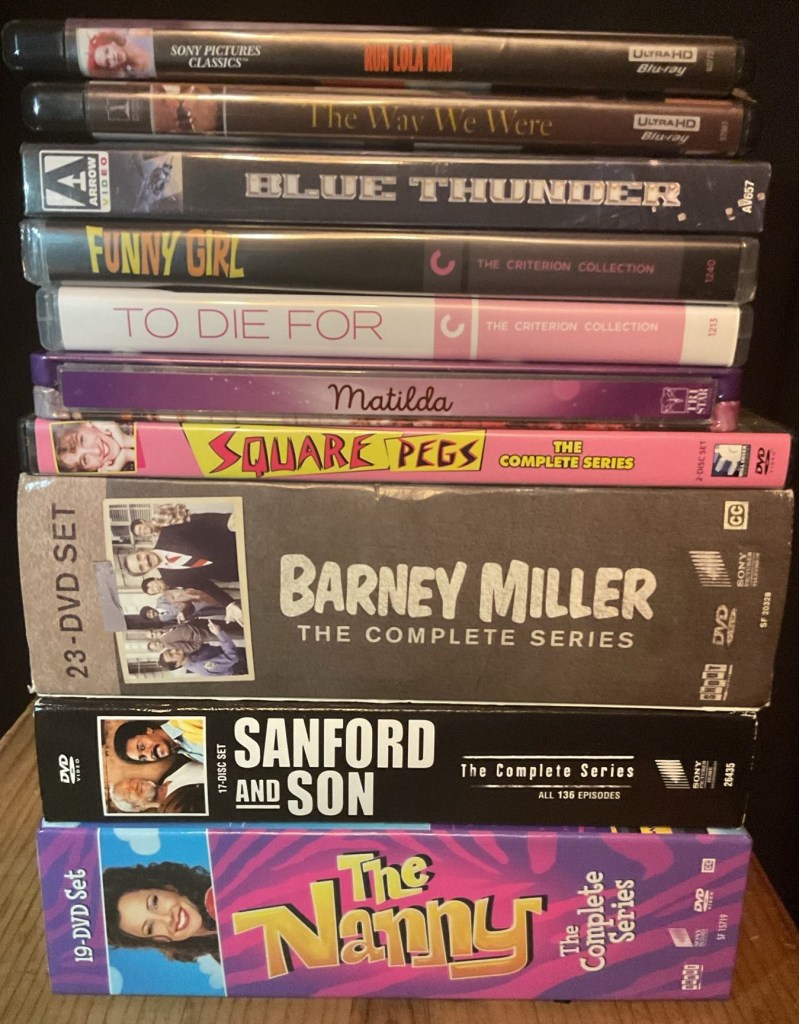
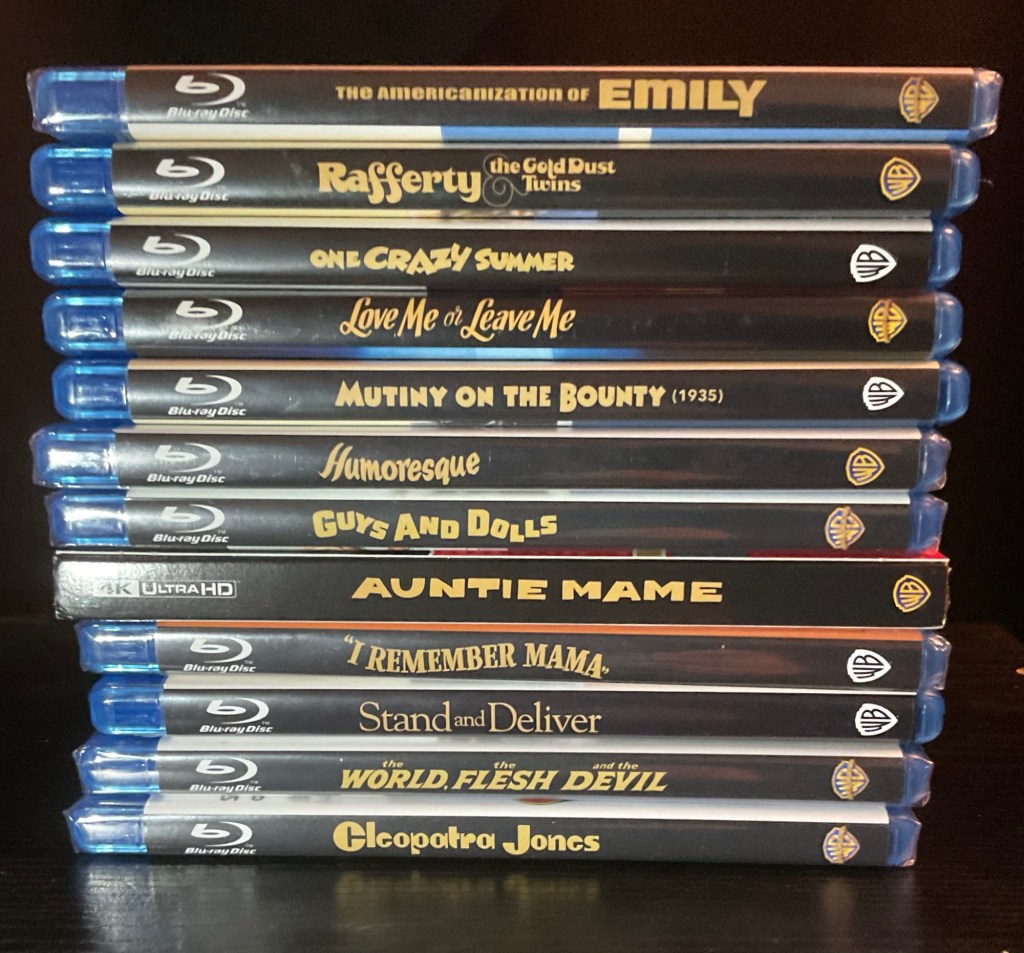
Personally, as long as Sony forges bonds with boutique labels like Arrow, Criterion or Vinegar Syndrome for distributing its movie catalogue, I don’t think this calls for the complete annihilation for physical media on the home entertainment front, but consolidation has been steadily ongoing. It’s the gaming industry that’s really affected because video games have rivaled motion pictures as big-budget thrills that are very expensive to produce, meaning that purchasing a silver platter game disc in 2026 would be too expensive for gamers’ bank accounts. Converting everything to digital on the next PlayStation console would sound like a logical and strategic move on Sony’s part. The whole Catch-22 to this is subject to losing ‘ownership’ of downloaded digital content thanks to contractual documents and bureaucratic red tape.
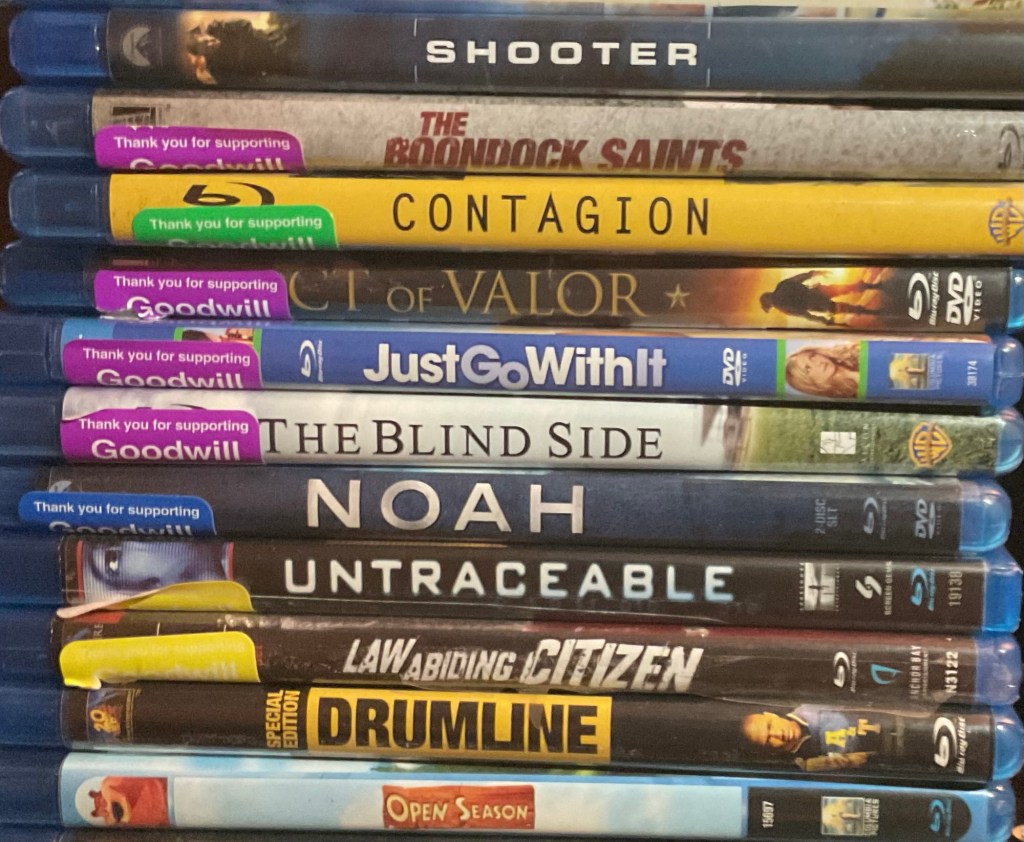
If you’re a movie fan or collector of DVD thru 4K discs, then you really don’t have a problem with losing the ownership rights to your content because it’s ’yours to keep’. Then again, we’re all going to be paying a premium as a tradeoff. As physical media now aims toward a niche and more premium market affecting prices all across the board, video games tend to lean towards the mainstream. That’s why Sony is going all-digital with PlayStation backed by ‘consumer trends’.
Let’s all hope that companies keep printing out more movie discs by not following other companies’ trends too closely while keeping in touch with their existing fanbases who desire limited editions of their favorite IPs, namely horror and other cult-related fare. Audiences like them are just too big to lose for a physical market that gets increasingly smaller with the passage of time.


Leave a Reply