DISCLOSURE – The opinions on this post are the solely written expressions of this author.
Maneuver your way through the content minefields of YouTube, TikTok, Twitch, or even music services like Spotify and Apple Music, and you’ll come across this latest social media fad where so-called “practitioners” make an awful lot of noise by tapping on everyday objects or just making mouth clicks. It’s scientifically called “autonomous sensory meridian response”. Or, simply abbreviate it A.S.M.R. for short.
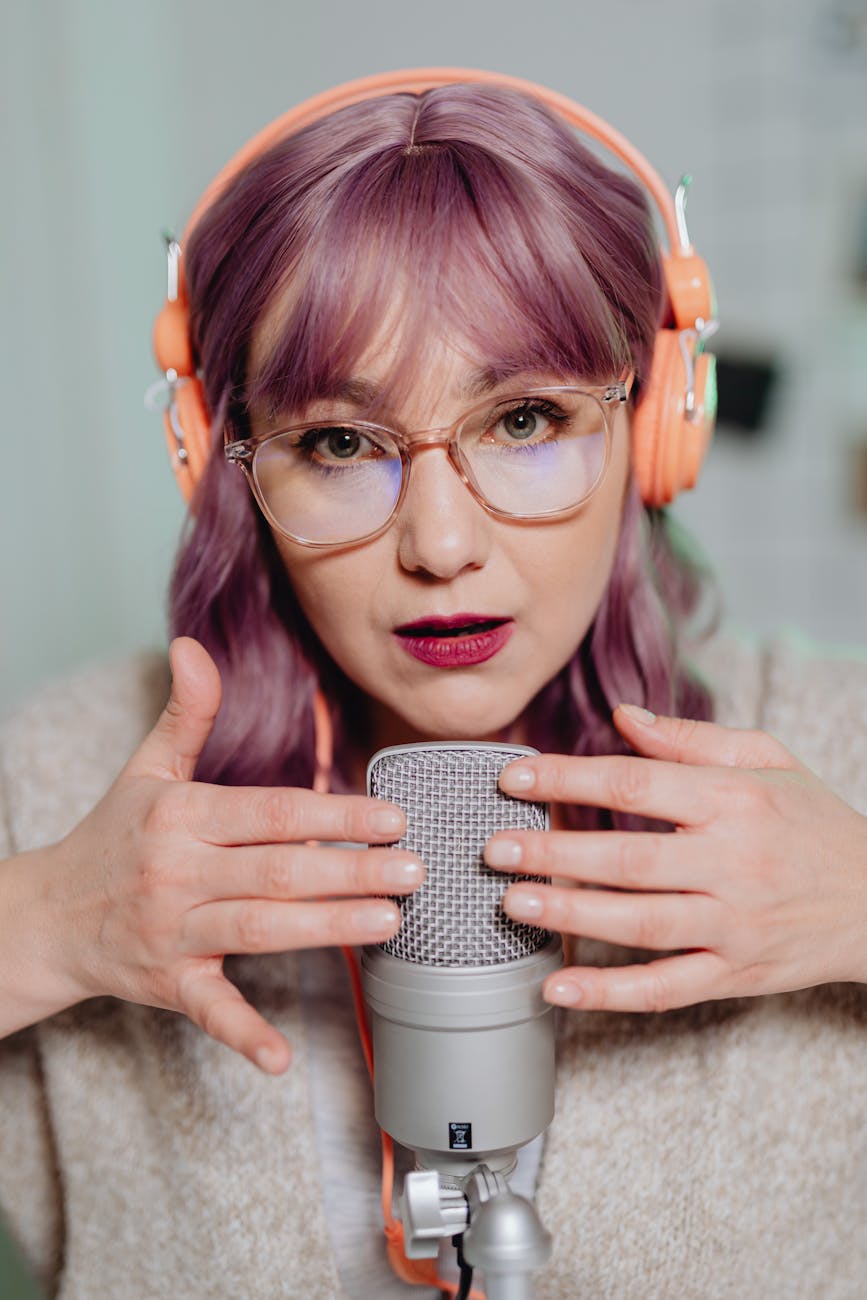
Oh, I get it. What this stuff is designed to do is make you fall asleep more effectively than Unisom could ever do. Primarily, it is about sounds and visions that cause nerve stimulations in the brain (a.k.a. “tingles”) as a way for the human body to fall into a sleepy trance, so that’s precisely why it’s called ASMR. It’s obviously a 21st Century form of hypnosis. There’s a Rode microphone hooked up to one creator’s arm and you could feel the nerves stimulating from the sounds of a massage. Tapping glass? Rubbing fabrics? That’s a Blue Yeti, 3dio, or other similar device and let it all rumble through your ears.
Where and when did ASMR first originate? It all started from a Facebook group sometime in the early 2010s. But many creators in this field often looked to their legendary idol for inspiration, the master of public television art shows Bob Ross, known more for his soft-spoken demeanor than his fro. Since the early 1980s, his long-running Joy Of Painting series provided us with an unforeseen glimpse of the ASMR phenomenon, which was very unintentional for its time. Content creators like Gentle Whispering and Gibi are obviously two of the most high-profile ASMR-tists making content today. There are also tens of thousands more ordinary people like you doing the same thing shooting YouTube videos in their respective bedrooms while providing a mass artillery of gentle sounds designed to make you drowsy or just by feeling comfortable. Most are doing this hobby for a living while obtaining exposure from the number of clicks generated by YouTube viewers who look to clickbait thumbnails as a way to lure themselves into the creator’s worlds.
The ASMR category that should have been classified as health and wellness to begin with has become a bread-and-circuses spectacle, made from an awfully crowded field of novices and nobodys vying for the title of Best ASMRtist Ever. They all do pretty much the same thing: tap, tap, tap… click, click, click… and so forth. You can get paid for doing this, too — just keep pumping out more videos with fresh ideas and you could become a millionaire in reality. It’s actually a huge commodity… there’s proof that celebrities like Cardi B have been embracing this, too. Gossip and entertainment publication W Magazine offers a series of celebrity ASMR videos if you’re interested, even if it’s all fluff material.
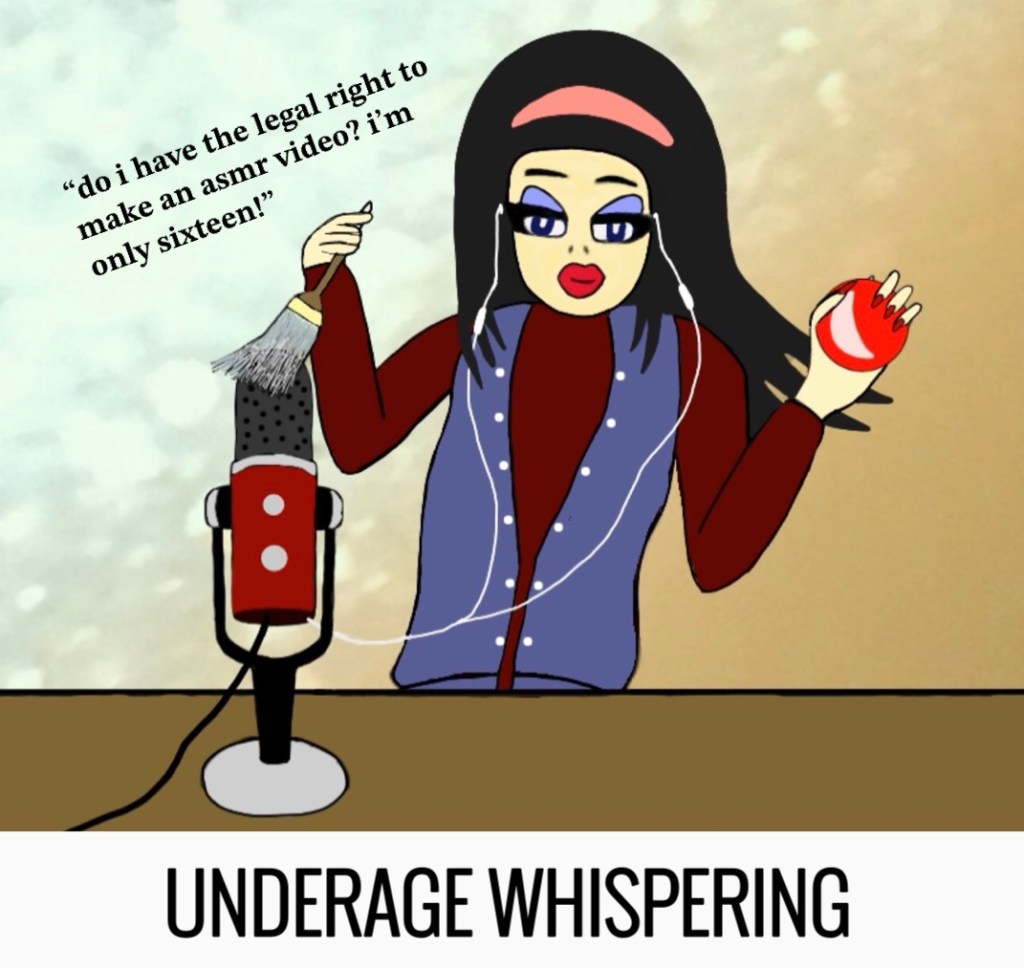
I would also have to argue that nearly all of the ASMR creators you are searching for turn out to be women. Put it another way… it’s Ladies Night when you’re watching ASMR videos. They are, after all, the masters of whispers and soft spoken voices based on their remarkable vocal frequencies, complimented by some massaging and hair brushing skills. Is it any coincidence, then, why this stuff tends to look and sound like some sort of sexual fetish when YouTube’s “community guidelines” restrict anything that’s considered objectionable to unsuspecting kids? You can see why China strictly bans ASMR outright from its territory, am I right? Nevertheless, the ASMR community would not want you to think this way because of its meditative nature that is hypothetically, if not scientifically, proven to great benefit for the human body. Claims that ASMR is a stress-reducer that relaxes the brain and benefits from improved health outcomes are hyperbole at best, but maybe it’ll work for you.
Just for the record, YouTube has been updating their monetization policies every single year especially toward ASMR creators who have to find ways not to be overly “sensual”, meaning that you won’t earn a single buck and at risk of your channel getting terminated if your suggestive content crosses the Mason-Dixon line. I’ve seen it all happen before, and it’s not just ASMR among the usual suspects — there were a few yoga / exercise channels that suffered from demonetization simply because of zero educational value related to health and wellness. Surely enough, you need to throw in a little sensationalism every once in a while even if it’s wrong.
I do or once did $upport a wide number of ASMR creators because they’re open to boundless opportunities and inviting new frontiers. Most common are doctor roleplays, personal attention, tapping, and mouth sounds. A wide number of categories also benefit from the use of ASMR such as and not limited to outdoor vlogs, in-store tours, and even driving a car. It’s also great for capturing environments that produce white noise on a level suitable enough for study sessions and other forms of meditation. Clearly speaking, if you must speak, then speak up over the mics — fashion hauls and yoga are best done using a recorded voiceover because you’re so far away.
Yes, you can still do a cosplay of Harley Quinn while making your fans tingle and because they know you best. I will agree that there are some highly skilled ASMRtists who boast some artistic aspirations to their craft, unlike all those who film from the comfort of their own bedrooms tapping on everyday objects and Hello Kitty merch. They can do roleplays of fictional characters or get caught into backgrounds of historical eras or even go outdoor camping — all the vibrant little details that add value to the gently improvised ASMR experience if given the right audio / video equipment. And they’re all touchingly human. You get a whole lot of diversity out of this.
Alternatively, I’d rather keep every ounce of volume to a “whispery” level using my pair of beat-up Beats headphones because the sharp frequency of tingles ring my ears badly — no wonder I have tinnitus! The sound of mouth pops and phone taps are subtle enough, and still just as tingly — it can be done by setting the volume to only ONE notch, and it works! I don’t mind all the unintelligible gibberish as in “alien speak”, so it’s best to think of this as ticklish background noise. Of course, you would want comprehensive insights from their whispery soft spoken rambles, so better pump up the volume a bit. ASMR videos by the millions do all that and more, but I’d do just as good listening to ocean waves with your speakers against your ears and without all that distracting softness like rolls of Charmin. Something to think about.
If you could come up with ONE compelling reason to enjoy ASMR, then it would have to be eye contact. Like I mentioned before, these talents are predominantly female, and with that comes serious eye candy. Beauty is the immortal beast, so why not? That one attribute isn’t supposed to be essential, but it actually throws me straight into a dream state. In addition, there’s some mighty fine Instagram profiles as compliments. Just like with movie stars and singers, you get a glimpse into your favorite creators doing non-ASMR things. They’re all people just like you and me both.
So I would have to give you my final verdict and say “of course, yeah”, ASMR is “sleeptainment” and a sleep aid worthy of its recognizance. That is, if you can accept duplication — when one amateur content creator is doing ASMR, another one is doing nearly the exact same thing. My guess is that the ASMR universe, too saturated enough to justify its growth rate over the past ten years, will continue to hang around until possibly the next round of social media purges and restrictions on “offensive” content. Imagine if in a not-so-good way, everyone will be tired of it, which contradicts exactly what ASMR is purportedly designed to do in the first place, to make you tired. That, I doubt, because right now YouTube’s making a whole lotta advertising dollars out of this.
Okay, I’m tired of rambling now. Time for my siesta.
 Jasimo’s Blog
Leave a comment